Where Are GFCI Outlets Required?
You’ll typically find GFCI protection in places where water is present or the environment increases the risk of shock. Common locations include:
- Bathrooms
- Kitchens (especially near sinks)
- Garages
- Outdoor outlets
- Laundry rooms
- Basements
- Crawl spaces
- Utility rooms
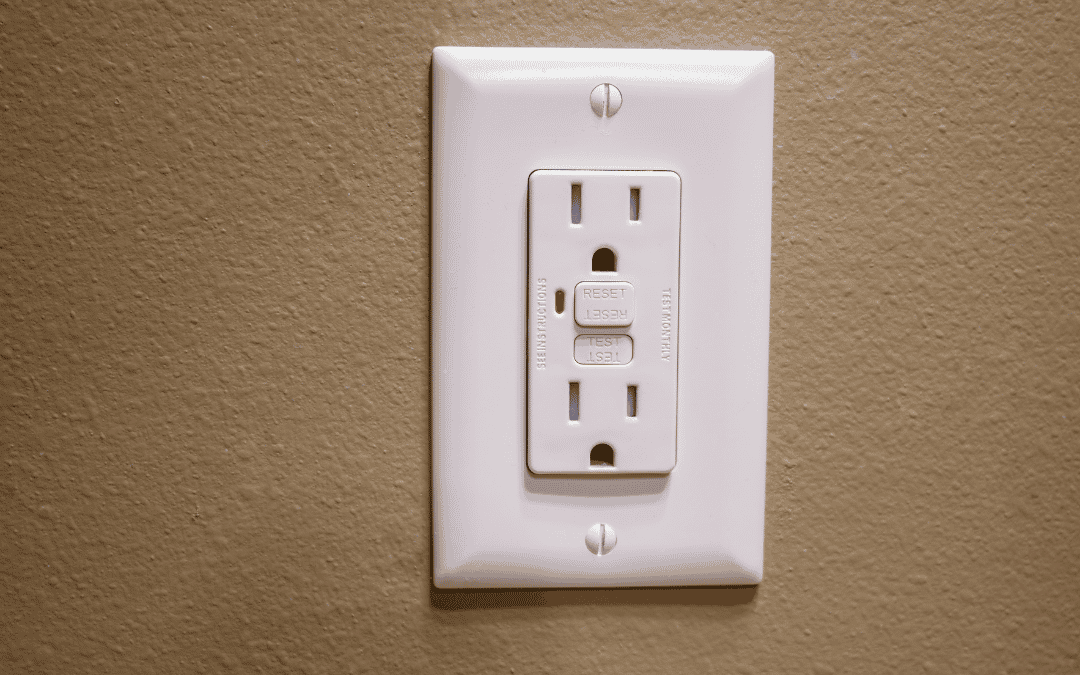
In many homes, multiple outlets may be protected by a single GFCI outlet, so you may not see the “Test” and “Reset” buttons everywhere in these areas. However, the circuit may still be protected.
What If Your Home Is Older?
If your home was built many years ago, it may not have GFCI protection in all the places current codes recommend. Updating these outlets is one of the simplest electrical safety upgrades you can make.
Even if you already have GFCI outlets installed, they don’t last forever. Over time, the internal safety mechanism can wear out, which is why regular testing is important.
Quick Safety Check: Test Your GFCI Outlet
Testing a GFCI outlet only takes a few seconds:
- Press the “Test” button on the outlet.
- The outlet should immediately shut off power.
- Press the “Reset” button to restore power.
If the outlet doesn’t trip when you press “Test” or won’t reset, it may no longer be working properly and should be replaced.
A Small Device That Makes a Big Difference
GFCI outlets are a small but powerful safety feature that protects against electrical shock in areas where it’s most likely to happen. Making sure they’re installed where needed, and that they’re working properly, can help keep your home and family safer.
If you’re unsure whether your home has proper GFCI protection, it’s always better to check rather than assume. An electrician can quickly inspect your outlets and recommend any updates needed to keep your electrical system safe and up to date.