Check the Circuit Breaker
A tripped circuit breaker is one of the most common reasons an outlet stops working. Look at your electrical panel and check for a breaker that has moved to the middle or off position.
To reset it, move the breaker completely to the off position before switching it back on. If it trips again immediately, leave it off rather than continuing to reset it.
Why Does My Circuit Breaker Keep Tripping?
Repeated tripping may indicate an overloaded circuit, damaged appliance, short circuit, ground fault, or another electrical problem.
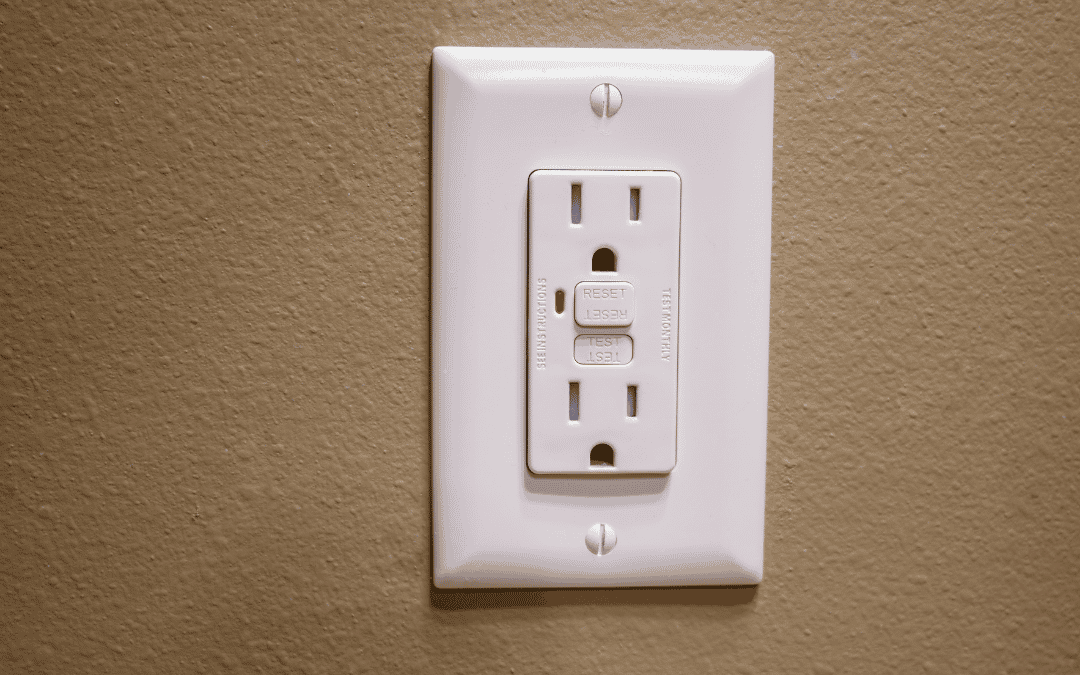
Look for a Tripped GFCI Outlet
A GFCI outlet may protect several outlets on the same circuit, including outlets located in another room. For example, a GFCI in a garage, bathroom, kitchen, or outdoor area may control a nearby outlet that does not have its own Test and Reset buttons.
Check the surrounding area for a GFCI outlet and press the Reset button. If it will not reset or continues tripping, there may be moisture, a damaged device, or a fault on the circuit.
Test the Appliance or Device
The outlet may not be the problem. Unplug the device and test it in another known working outlet.
You can also plug a small lamp or another simple device into the questionable outlet. If the replacement device works, the original appliance, cord, or plug may be damaged.
Stop using equipment that has:
- A frayed or damaged cord
- Bent or loose plug blades
- A burning smell
- Unusual heat
- Visible sparks or discoloration
Check Nearby Switches
Some outlets are controlled by wall switches. This is common in bedrooms and living rooms where a switch operates a floor or table lamp.
Try nearby switches before assuming the outlet has failed. A split receptacle may also have one half controlled by a switch while the other half remains powered.
A Loose Electrical Connection
Loose electrical connections can cause an outlet to work intermittently or stop working entirely. The issue may be located at the affected receptacle or at another outlet earlier in the circuit.
Possible warning signs include:
- Flickering lights
- Crackling or buzzing sounds
- A loose plug
- Discoloration around the outlet
- An outlet that feels warm
- Power that returns when the outlet is moved or touched
A warm, buzzing, or discolored outlet should not be ignored. Stop using it and have the circuit inspected.
The Outlet May Be Worn or Damaged
Outlets can wear out over time. If plugs fall out easily, the receptacle feels loose, or the face is cracked, replacement may be necessary.
A damaged outlet is more than an inconvenience. Worn internal contacts may create unreliable connections and excessive heat.
Do not attempt to tighten internal wiring or replace the receptacle unless you are qualified to perform electrical work safely.
The Circuit May Be Overloaded
An outlet may stop working because the circuit is carrying more electrical demand than it can safely handle. This is especially common when space heaters, portable air conditioners, microwaves, or other high-demand equipment share a circuit.
Moving appliances to different outlets may not solve the issue if those outlets are connected to the same circuit. A licensed electrician can determine whether additional or dedicated circuits are needed.
When Should You Call an Electrician?
Contact an electrician if:
- The breaker trips repeatedly
- The GFCI will not reset
- Multiple outlets have stopped working
- The outlet feels warm
- You hear buzzing or crackling
- You notice discoloration or a burning smell
- The outlet only works intermittently
- You see sparks or smoke
Turn off the affected circuit if there are signs of overheating, arcing, or visible damage.
Do Not Ignore a Nonworking Outlet
A nonworking outlet may have a simple explanation, but it can also be an early sign of a problem within the circuit. Checking the breaker, GFCI protection, nearby switches, and connected appliances can help narrow down the cause.
If the outlet remains without power or shows signs of damage, Cove Electric, Inc. can inspect the circuit, locate the problem, and recommend the appropriate repair.