

Electrical Red Flags To Look For When Buying A Home
7093018427 • May 12, 2026

May 12, 2026

What Every Homebuyer Should Know Before Signing On The Dotted Line

Buying a home is exciting. It's also one of the biggest financial decisions you'll ever make, and electrical problems are some of the most expensive surprises a new homeowner can inherit. A standard home inspection will catch some issues, but not all of them. Here's what to look for before you close.

Aluminum Wiring

Homes built between roughly 1965 and 1973 may have aluminum branch circuit wiring instead of copper. Aluminum isn't automatically a dealbreaker, but it requires specific outlets, switches, and connections rated for it. Improperly connected aluminum wiring is a fire hazard. If the home has it, factor in the cost of a proper remediation.

An Older Or Undersized Panel

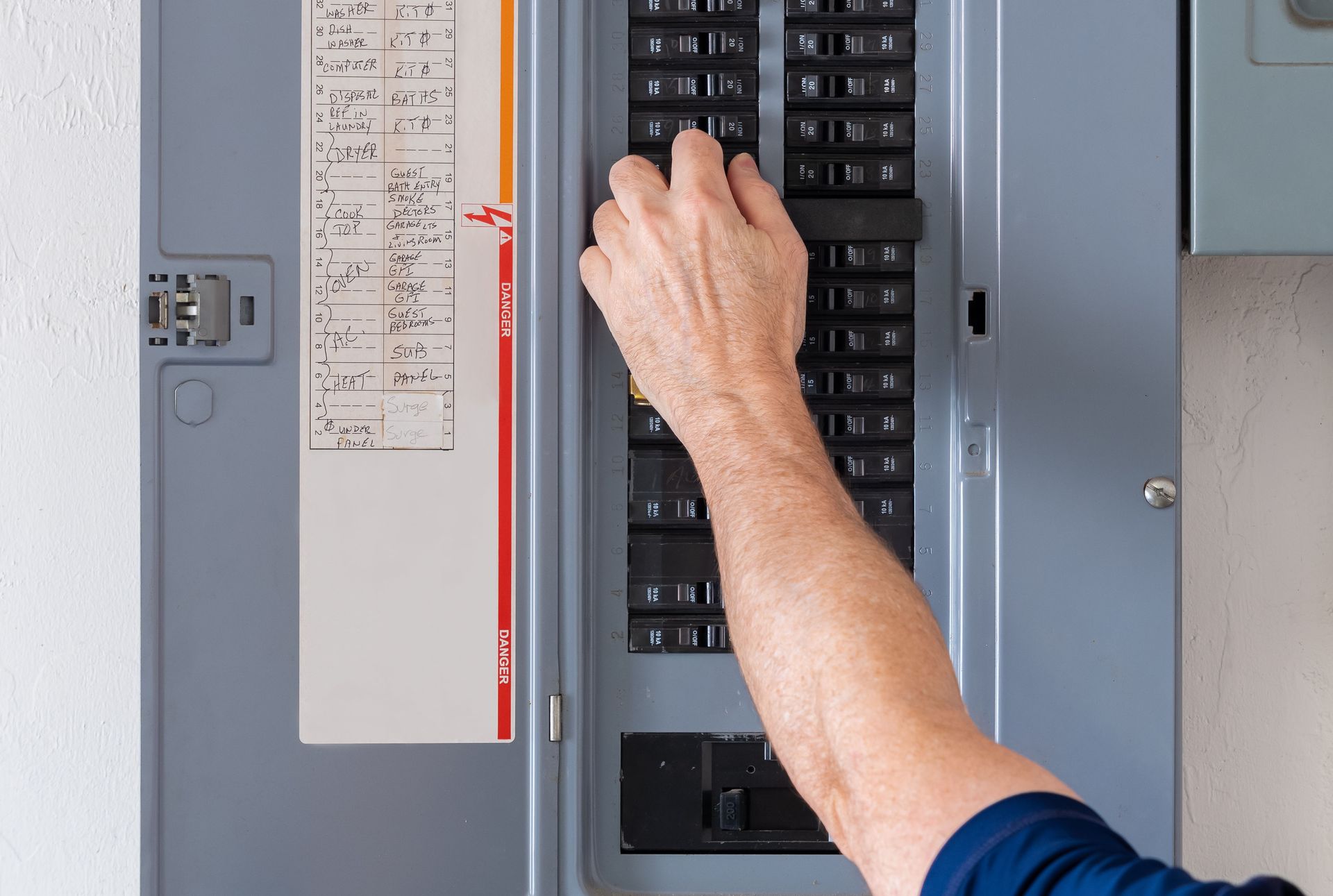
The electrical panel is the first thing we look at. If the home has a 60 or 100-amp service, that's likely undersized for modern living, especially if there's central AC, an electric range, or any plans for an EV charger. Also watch for Federal Pacific or Zinsco panels. These are known problem brands that have a history of breakers failing to trip, and many insurance companies won't cover a home that still has one.

Two-Prong Outlets Throughout The Home

Two-prong outlets mean ungrounded circuits. That's not just an inconvenience, it means your electronics and appliances have no fault protection. If most of the home still has two-prong outlets, the wiring is old enough that a full evaluation is worth the investment before you buy.

DIY Wiring

This one shows up more than you'd think. Mismatched wire gauges, junction boxes buried in walls, outlets wired incorrectly, circuits added without permits, DIY electrical work is all over older homes. If something looks improvised or non-standard, it probably is. An electrician can tell you quickly whether it's a minor fix or a major problem.

Signs Of Water Damage Near Electrical

Water and electricity don't mix. Staining, rust, or corrosion near the panel, outlets, or junction boxes is a red flag. Even if the leak has been fixed, the damage to wiring and connections may still be there.

Missing GFCI Protection

Kitchens, bathrooms, garages, and outdoor outlets all require GFCI protection by code. If the home doesn't have it in those locations, it's either older or the work was done without permits. It's a relatively inexpensive fix, but it tells you something about how the home has been maintained.

The Bottom Line

A home inspection is a good start, but inspectors aren't electricians. If you're serious about a home and have any concerns about the electrical system, spend the money on an electrical inspection before you close. It's a small cost compared to what you might be signing up for. We offer electrical evaluations and are happy to take a look before you make one of the biggest decisions of your life.

By 7093018427 May 12, 2026
Most homeowners assume breakers catch every electrical issue—but that’s not always true. Learn the hidden risks your system might not be protecting you from.
By 7093018427 May 4, 2026
Simple electrical maintenance tips to keep your home safe and efficient this summer.
By 7093018427 April 24, 2026
Why electrical work shouldn’t be DIY. Learn the risks and why hiring a professional helps keep your home safe.

Show More →