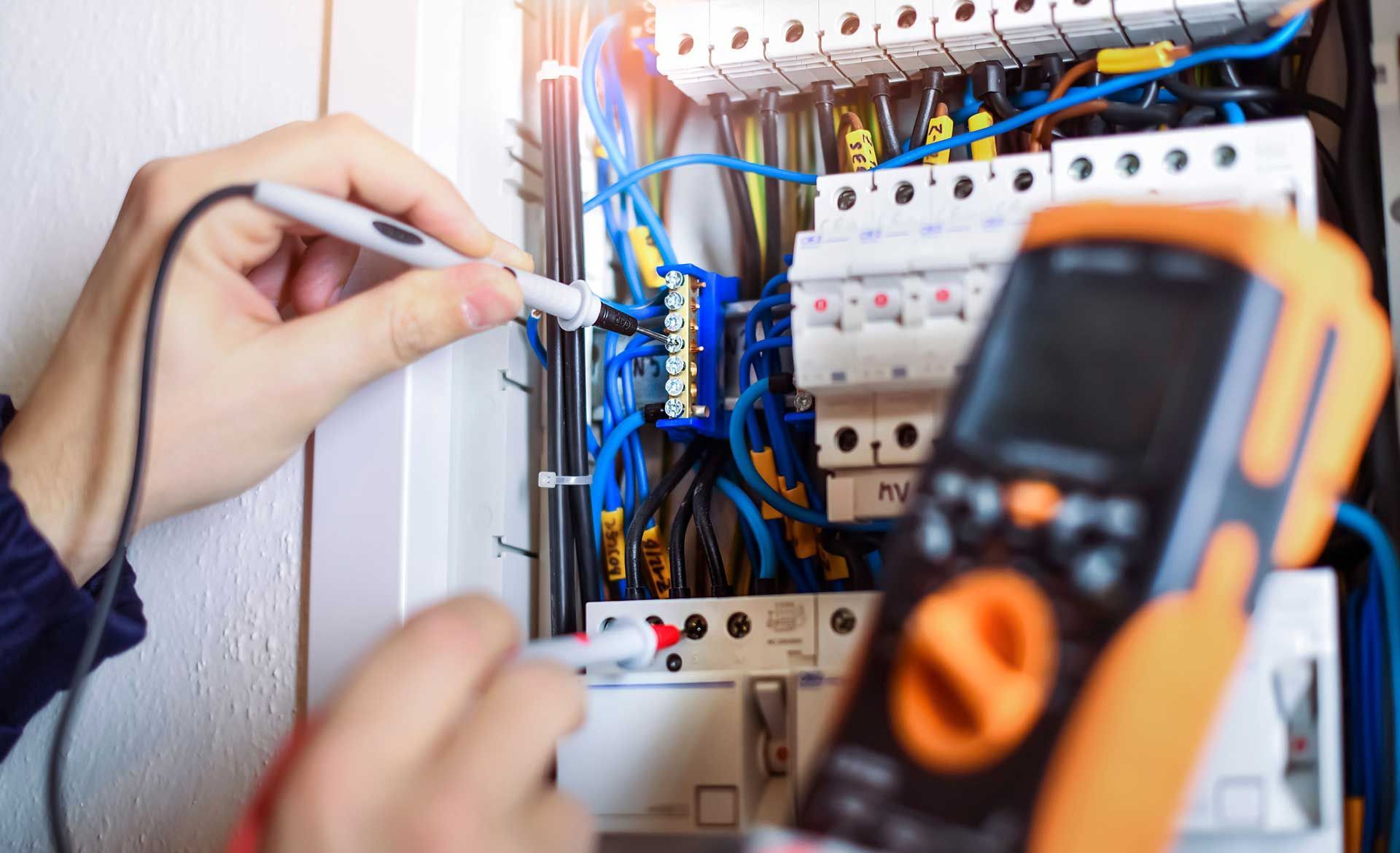
What Electrical Work Should You Never DIY?
7093018427 • April 24, 2026

April 24, 2026

The Real Risks, Hidden Costs, and Why Hiring a Professional Protects Your Home and Your Safety

DIY projects can be a great way to improve your home, but electrical work is one area where taking shortcuts can create serious risks. What may seem like a simple fix can quickly turn into a safety hazard, costly repair, or long-term issue if it’s not done correctly. Understanding what’s at stake can help you make the right call.

Safety Risks Are Higher Than Most People Realize

Electrical systems aren’t just about getting power from point A to point B. They involve proper load handling, grounding, and protection systems designed to prevent shock, fire, and equipment damage.


Even small mistakes, like loose connections or incorrect wiring—can lead to:

  • Electrical shock
  • Overheating wires
  • Increased fire risk


These issues aren’t always immediate, which makes them even more dangerous.

Problems Don’t Always Show Up Right Away

One of the biggest challenges with DIY electrical work is that it can appear to “work” at first.

But behind the scenes, improper connections or undersized wiring can slowly create heat and stress on the system. Over time, this can lead to:

  • Flickering lights
  • Tripping breakers
  • Damaged appliances
  • Hidden fire hazards inside walls


What starts as a small project can become a much larger problem later on.

DIY Can End Up Costing More

Many homeowners turn to DIY to save money, but electrical work often ends up costing more when it has to be corrected. Fixing improperly installed wiring or equipment typically takes more time than doing it right the first time, and may involve replacing materials entirely.


In some cases, DIY work can also affect:

  • Home inspections
  • Insurance coverage
  • Resale value 

Code Requirements Matter

Electrical work must meet current codes designed to keep homes safe. These codes change over time and can vary depending on the type of installation.


A professional electrician ensures:

  • Proper installation methods
  • Correct materials and protection devices
  • Compliance with current safety standards


This isn’t just about passing inspection, it’s about long-term safety.

Knowing When to Call a Professional

There are a few simple things homeowners can safely check—like resetting a breaker or replacing a light bulb, but most electrical work goes beyond that.


If your project involves:

  • Wiring changes
  • New outlets or circuits
  • Panel work or upgrades
  • Troubleshooting ongoing issues


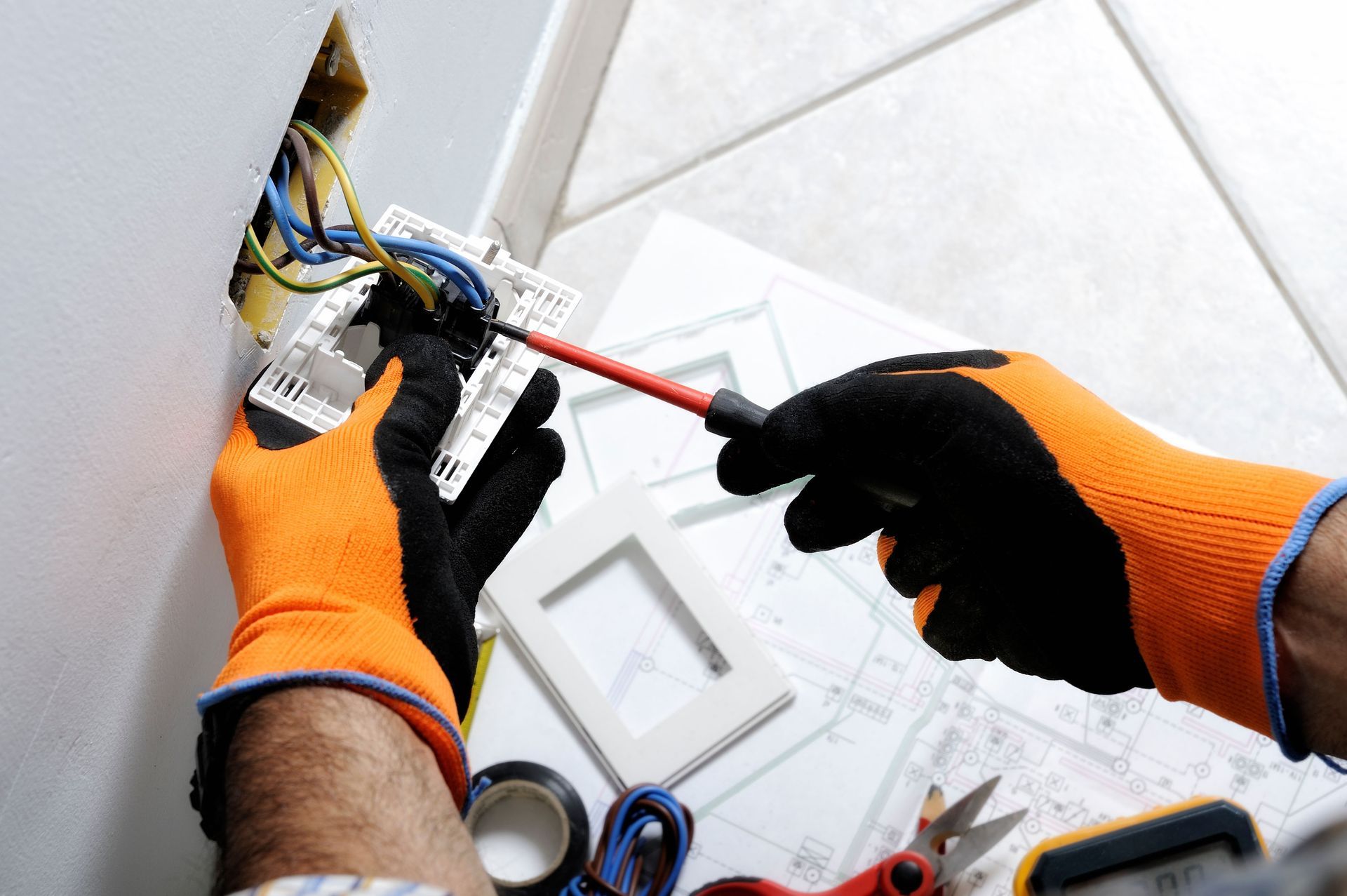
…it’s best to have it handled by a licensed professional.

Final Thoughts

Electrical work isn’t just another home project, it’s a system that directly impacts your safety and the reliability of your home. Doing it right the first time helps avoid unnecessary risks, unexpected costs, and future problems.

Need Help?

If you have questions or a project in mind, Cove Electric is always here to help. We focus on clear communication, quality work, and getting the job done right—without surprises.

By 7093018427 April 21, 2026
Learn the signs of an overloaded electrical system, from tripping breakers to flickering lights, and what you can do to keep your home safe and running properly.
By 7093018427 March 23, 2026
Learn what GFCI outlets are, where they’re required, and how to test them to keep your home safe from electrical shock.
By 7093018427 March 16, 2026
Learn what an electrical subpanel is, how it works, and when your home may need one. A simple guide from the licensed electricians at Cove Electric.
Show More →