

May 12, 2026

Warm Weather Electrical Maintenance: What Every Homeowner Should Check

Author

7093018427

Update First Last in Content -> Business Text -> First Last field

Date

May 12, 2026

Share

What Most Homeowners Don’t Realize About Electrical Safety—And the Risks You Can’t See

Most homeowners assume that if something goes wrong, the breaker will trip.

It’s a reasonable assumption, but it’s not always true. And in some cases, that belief can lead to serious electrical risks going unnoticed.

Breakers Don’t Catch Everything

Circuit breakers are designed to protect your home’s wiring from overheating due to too much electrical current. But not every electrical issue involves excessive current. That means certain problems can develop quietly, without ever tripping a breaker.

Situations Where Your Breaker Might NOT Trip

  1. Loose Connections: Loose wiring can create heat and even small electrical arcs behind your walls. These issues don’t always draw enough current to trip a breaker, but they can still become a fire hazard over time.
  2. Damaged Outlets or Switches: Worn or failing devices can break down internally. Even when they’re unsafe, they may not pull enough power to trigger a breaker.
  3. Backstabbed Outlets: Some outlets are wired using push-in connections instead of screw terminals. Over time, these can loosen, leading to intermittent power, heat buildup, and potential failure.
  4. Aging or Faulty Breakers: Breakers don’t last forever. If a breaker is worn out or defective, it may fail to trip when it should, leaving your system unprotected.

What Actually Protects You

Because standard breakers have limits, modern electrical systems rely on additional protection:

  • GFCI outlets help prevent electrical shock
  • AFCI breakers detect dangerous arcing conditions


These devices are designed to catch problems that traditional breakers can miss.

The Bottom Line

Just because your breaker didn’t trip doesn’t mean everything is safe. If you’re noticing flickering lights, warm outlets, or anything unusual, it’s worth having your system checked.


Electrical issues don’t always announce themselves, but catching them early can prevent bigger (and more expensive) problems down the road.


If you ever have questions about your home’s electrical safety, Cove Electric is here to help.

By 7093018427 May 12, 2026
Don't let hidden electrical problems become your problem. Here are the red flags to watch for when buying a home — before you close.
By 7093018427 May 4, 2026
Simple electrical maintenance tips to keep your home safe and efficient this summer.
By 7093018427 April 24, 2026
Why electrical work shouldn’t be DIY. Learn the risks and why hiring a professional helps keep your home safe.

By 7093018427 April 21, 2026
Learn the signs of an overloaded electrical system, from tripping breakers to flickering lights, and what you can do to keep your home safe and running properly.
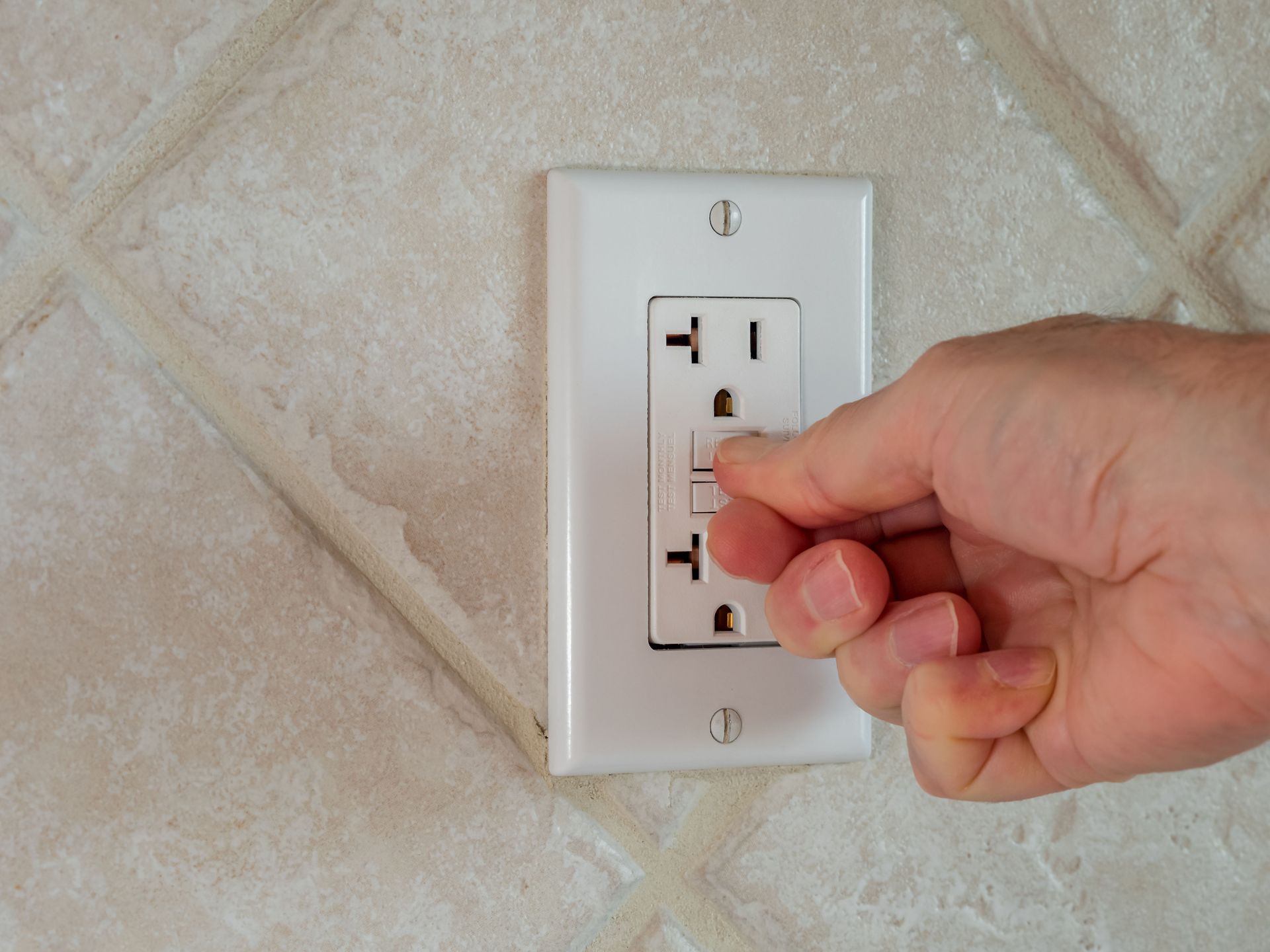
By 7093018427 March 23, 2026
Learn what GFCI outlets are, where they’re required, and how to test them to keep your home safe from electrical shock.
By 7093018427 March 16, 2026
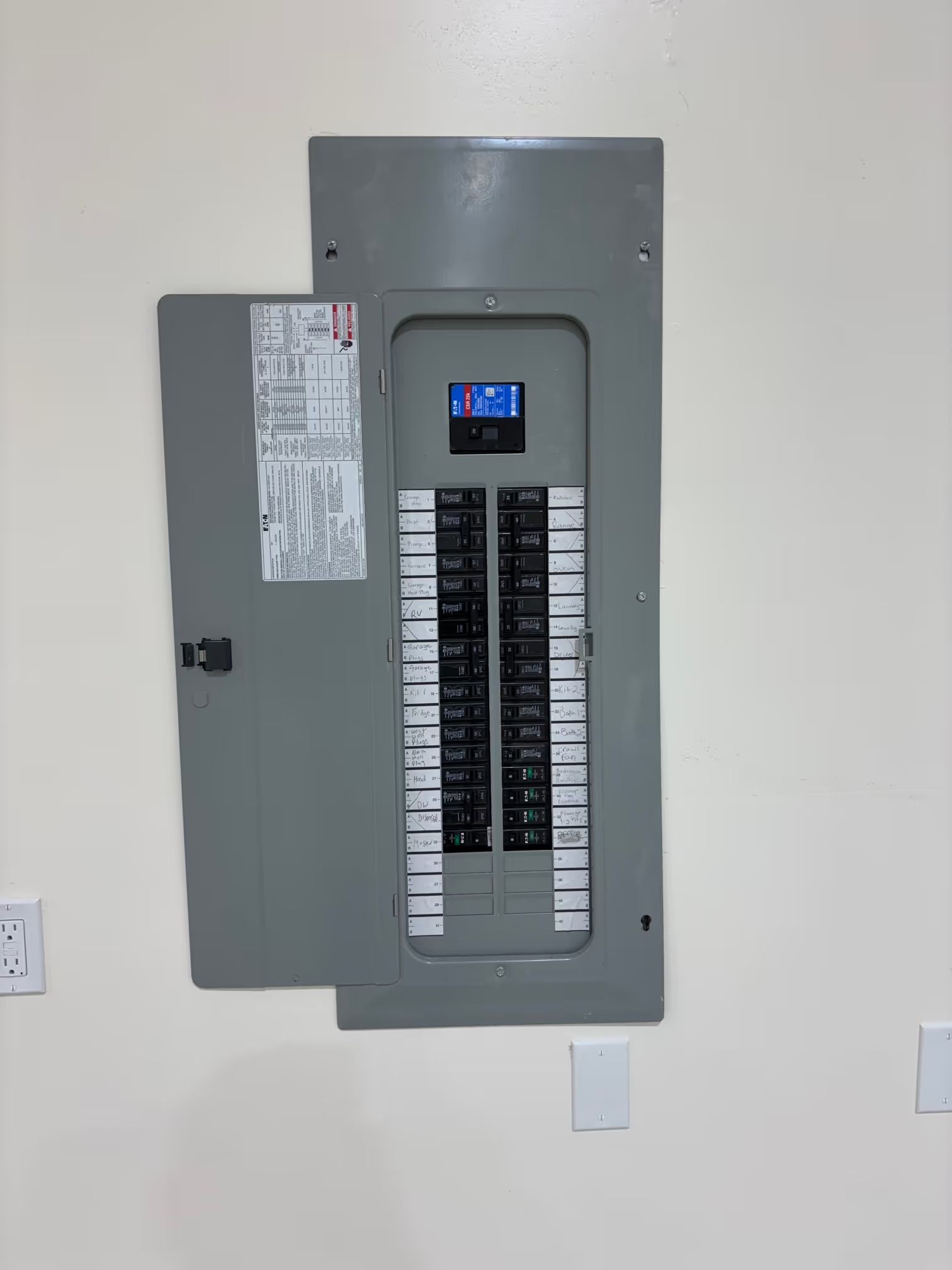
Learn what an electrical subpanel is, how it works, and when your home may need one. A simple guide from the licensed electricians at Cove Electric.
By 7093018427 March 2, 2026
How much electrical capacity does your home need? Learn the difference between 100-amp and 200-amp service and when an upgrade makes sense.

By 7093018427 February 27, 2026
Why do your lights flicker? Learn what causes flickering lights, when it’s normal, and when it could signal a serious electrical issue.

By 7093018427 February 16, 2026
Cove Electric provides reliable agricultural electrical services including irrigation wiring, pumps, barns, shops, and service upgrades for farms and ranches.
By 7093018427 February 5, 2026
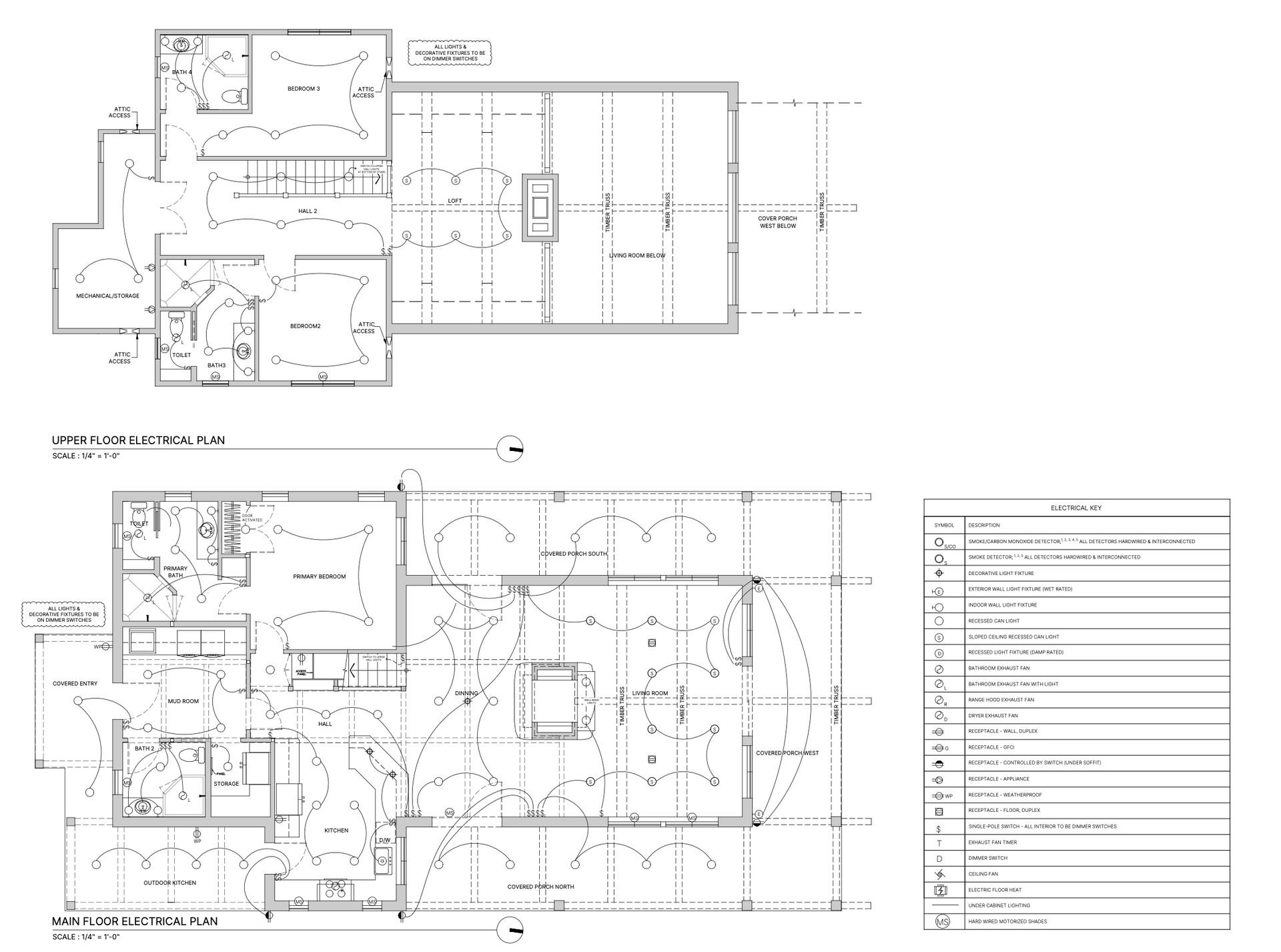
Learn why Cove Electric does not itemize bid proposals and how clear scope, quality workmanship, and transparency protect your project.

Show More