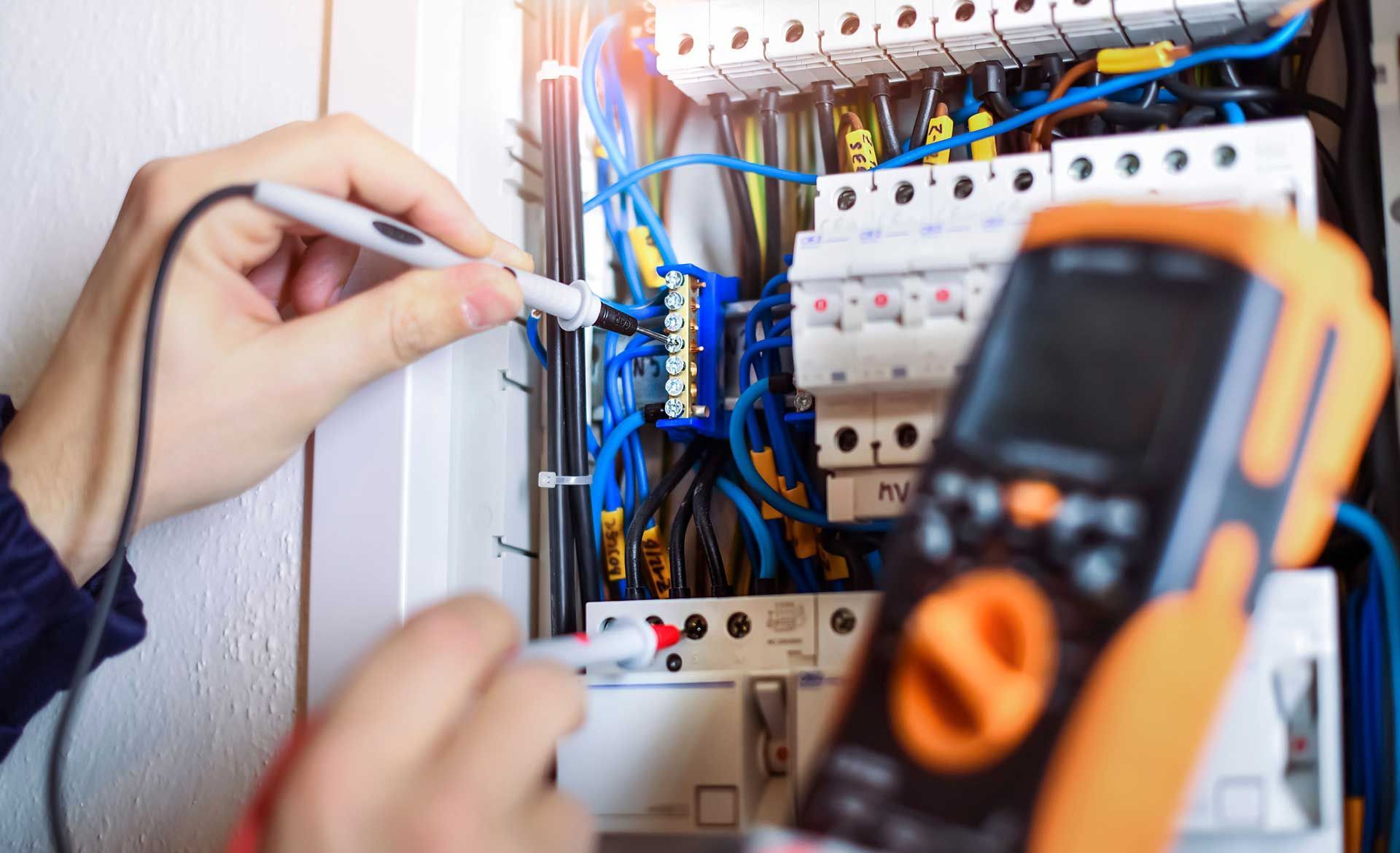
Electrical Troubleshooting Guide: How to Identify and Fix Common Electrical Problems
Why Electrical Troubleshooting Matters
When something goes wrong with your electrical system, it can be stressful and even dangerous. At Cove Electric, we help homeowners and businesses stay safe with reliable diagnostics and professional repairs. This guide walks you through the most common electrical problems, how to spot them, and when to call a licensed electrician. Electrical issues rarely fix themselves. Small problems often signal larger hazards like overloaded circuits, faulty wiring, or fire risks. Learning the warning signs helps you prevent damage, reduce downtime, and protect your home or business.
Common Electrical Problems & How to Troubleshoot Them
1. Flickering or Dimming Lights
Possible Causes:
- Loose bulb or connection
- Overloaded circuit
- Faulty light fixture
- Voltage fluctuations
Troubleshooting Tips:
- Make sure that if the light is on a dimmer, the LED bulbs are rated for dimming.
- Make sure bulbs are screwed in securely.
- Try replacing the bulb.
- Check if multiple lights flicker when a large appliance starts—this may indicate a circuit overload.
- If flickering continues, call a licensed electrician for a wiring inspection.
2. Frequently Tripping Breakers
Possible Causes:
- Too many devices on one circuit
- Faulty breaker
- Faulty wiring
- Short circuit or ground fault
Troubleshooting Tips:
- Unplug some appliances and reset the breaker.
- Avoid using power strips for large electrical loads.
- If the breaker trips again immediately, you may have a short or faulty breaker—this needs professional attention.
3. Dead Outlets or Switches
Possible Causes:
- GFCI tripped (common in kitchens, bathrooms, garages)
- Loose wiring
- Failed outlet
- Breaker issue
Troubleshooting Tips:
- Look for nearby GFCI outlets and press the RESET button.
- Test the outlet with a lamp or phone charger.
- If multiple outlets go out at once, the issue may be within the circuit wiring.
4. Burning Smells or Hot Outlets
Possible Causes:
- Overloaded circuits
- Loose connections
- Faulty appliances
- Damaged wiring
Troubleshooting Tips:
- Turn off power immediately to the affected outlet or circuit.
- Stop using the appliance plugged into the outlet.
- Call an electrician right away—heat and burning smells are fire hazards.
5. Buzzing Sounds or Humming Noises
Possible Causes:
- Loose connections
- Faulty breaker
- Aging wiring
- Overloaded lighting circuits
Troubleshooting Tips:
- Identify the source: outlet, switch, panel, or fixture.
- If the electrical panel is buzzing, do NOT attempt repairs yourself.
- Call a professional to diagnose.
When to Call a Professional Electrician
Some minor troubleshooting steps are safe for homeowners, but many electrical issues require expert diagnostics. Contact Cove Electric if you notice:
- A breaker that trips repeatedly
- Burning smells or scorch marks
- Lights that dim when appliances turn on
- Sparking outlets or switches
- Old or outdated electrical panels
- Frequent power loss in one room
We provide fast, reliable service to keep your home or business safe.
Preventing Future Electrical Problems
Tips to protect your electrical system:
- Avoid overloading circuits
- Replace damaged cords immediately
- Use surge protectors for electronics
- Schedule annual electrical inspections
- Update old wiring and panels
Need Electrical Troubleshooting? Cove Electric Can Help.
Whether you're dealing with flickering lights, faulty outlets, or panel issues, our team is here to help.
Contact us today for reliable electrical troubleshooting and repair.


Share On: