June 5, 2026
What's Really Happening Inside Your Walls When Temperatures Rise

Most people know summer heat is hard on their AC unit. What they don't think about is what's happening inside the walls and panel while those temperatures climb. Heat stresses your electrical system in ways that aren't always visible, until something fails.
Heat Degrades Wiring Over Time
Every wire in your home is rated for a maximum temperature, typically 60°C or 75°C at the conductor itself. Wire generates heat just by carrying current, and in summer, it has less ability to shed that heat into a hot surrounding environment. Over years of heat cycles, this gradually breaks down the insulation around your wiring, making it brittle and prone to cracking. It's one reason aging wiring becomes more of a concern as summer load increases.
Breakers Trip Based On Temperature, Not Just Load
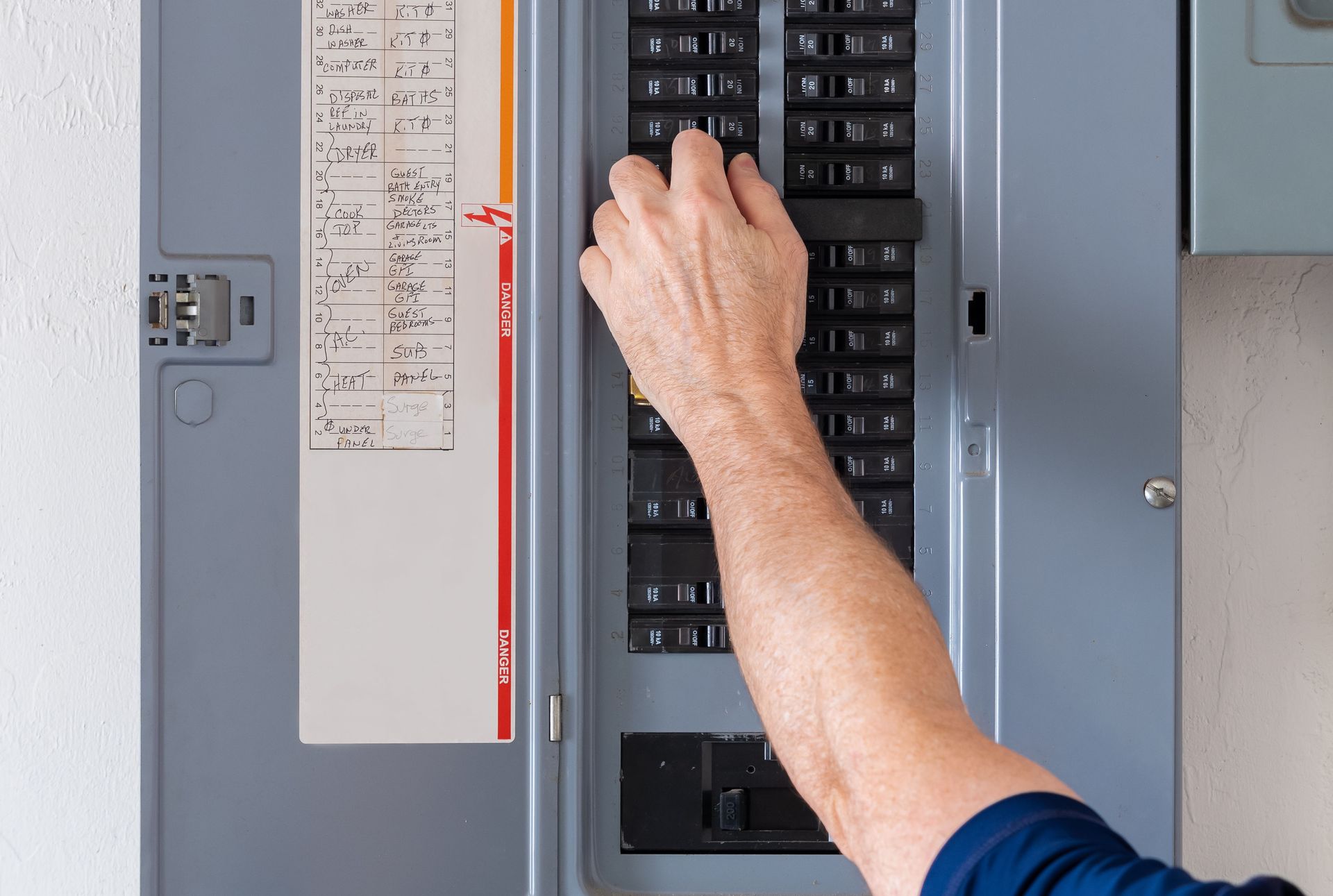
Circuit breakers use a bimetal strip that bends when it gets hot enough, breaking the circuit. That heat comes from current, but also from the air inside your panel. If your panel sits in a hot garage or utility room, breakers are starting from a warmer baseline and will trip at lower loads than they would in cooler conditions. Nuisance trips in summer that didn't happen in spring are often a heat issue, not a wiring issue.
Loose Connections Get Worse In The Heat
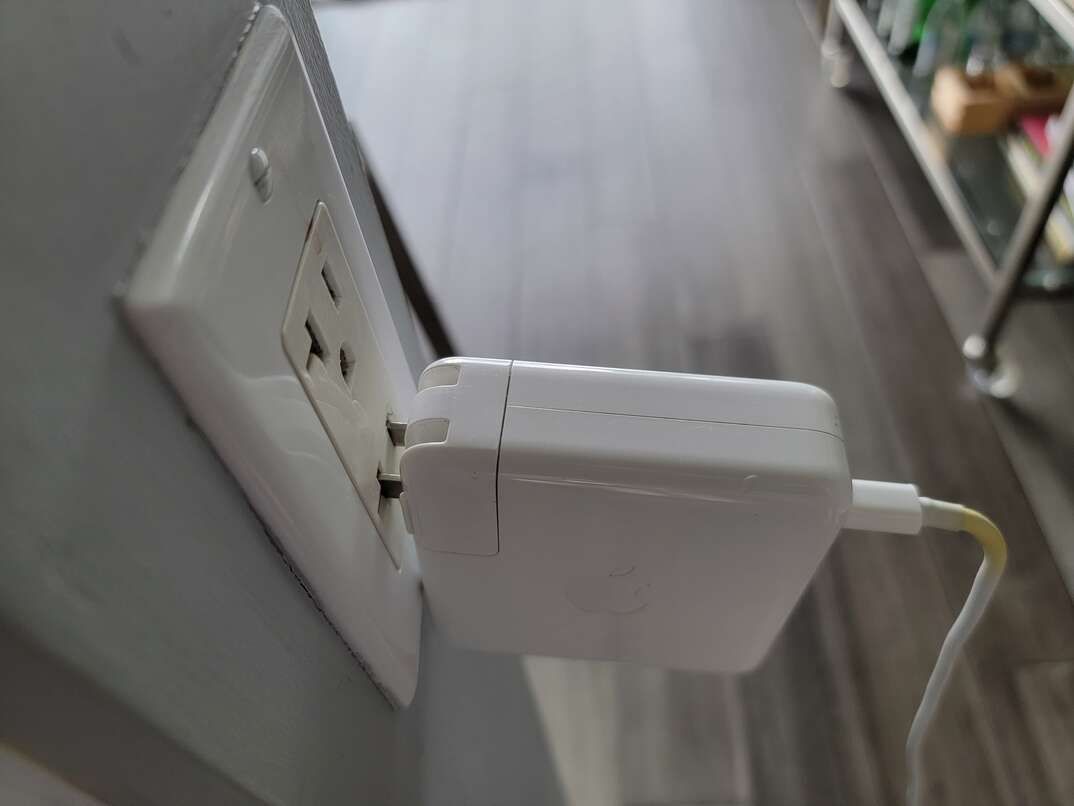
Every connection point in your home, at the panel, outlets, switches, and junction boxes, expands slightly in heat and contracts when it cools. Over time, this loosens connections. A loose connection creates resistance, resistance creates localized heat, and that heat can damage insulation or, in serious cases, start a fire inside the wall. Watch for:
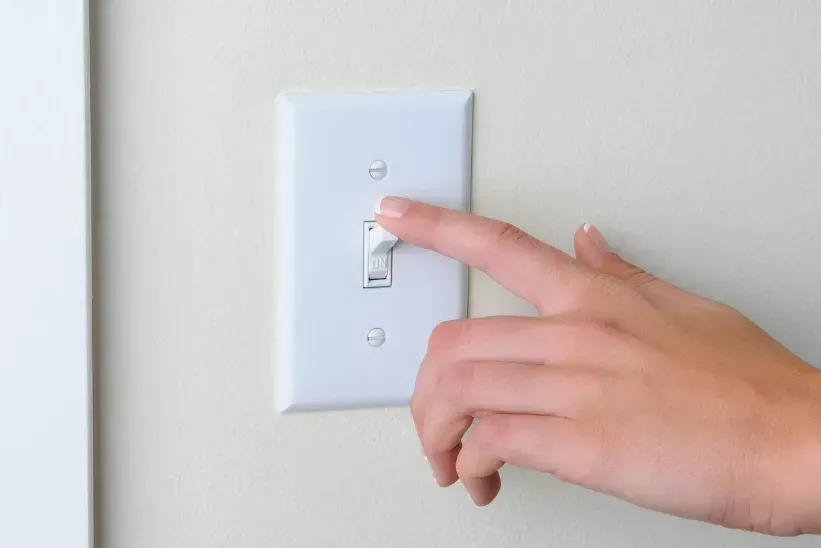
- Outlets or switch plates that are warm or discolored
- A burning smell near any outlet, switch, or the panel
- Lights that flicker when an appliance kicks on
The Bottom Line
Heat doesn't create electrical problems out of nowhere, it accelerates existing ones. A connection that was slightly loose in April becomes a real issue in July under full summer load. If any of the warning signs above sound familiar, don't wait. Give us a call and we'll take a look before a small issue turns into an expensive one.