
Why Your Light Switch Feels Warm (And When It’s a Problem)
7093018427 • May 27, 2026

May 27, 2026

What’s Normal, What’s Not, and When to Have It Checked

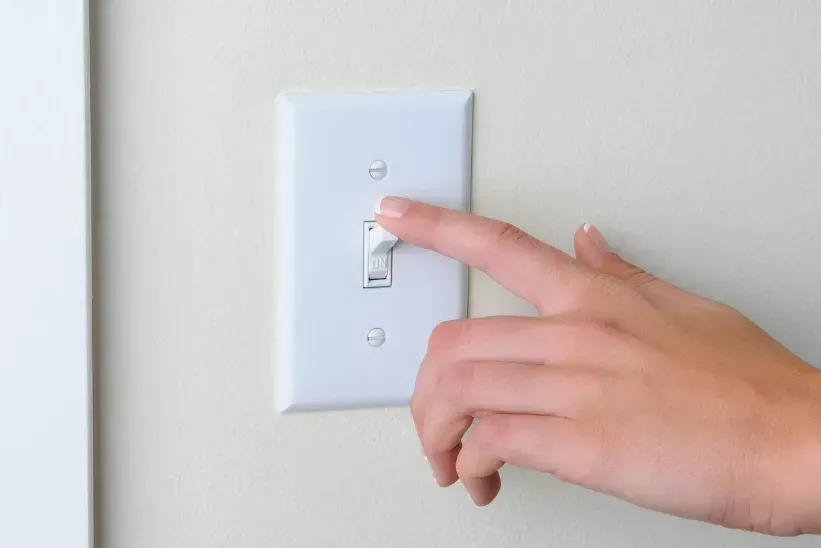
It’s something most people notice at some point: You turn off a light—and the switch feels a little warm. So… is that normal? Sometimes. But not always.

When a Warm Switch Is Normal

If you’re using:

  • Dimmer switches
  • High-wattage lighting
  • Lights that stay on for long periods


A slight warmth can be expected. That’s because electricity naturally creates a small amount of heat as it flows.

When It’s NOT Normal

A switch should never feel:

  • Hot to the touch
  • Discolored or yellowing
  • Loose or unstable
  • Paired with a burning smell


These are signs something isn’t right behind the wall.

What Can Cause It

  1. Loose wiring: Loose connections create resistance, and resistance creates heat.
  2. Overloaded circuits: Too many devices on one circuit can push components beyond what they’re designed to handle.
  3. Worn-out switches: Like outlets, switches wear out over time and can fail internally.

Why It Matters

Heat is one of the biggest warning signs in electrical systems. Even if everything “still works,” excessive heat can damage wiring and increase fire risk over time.

The Bottom Line

A slightly warm switch might be normal, but it shouldn’t be ignored if something feels off. If you’re ever unsure, it’s better to have it checked than assume it’s fine.


Catching small issues early is one of the easiest ways to avoid bigger electrical problems down the road.

By 7093018427 May 20, 2026
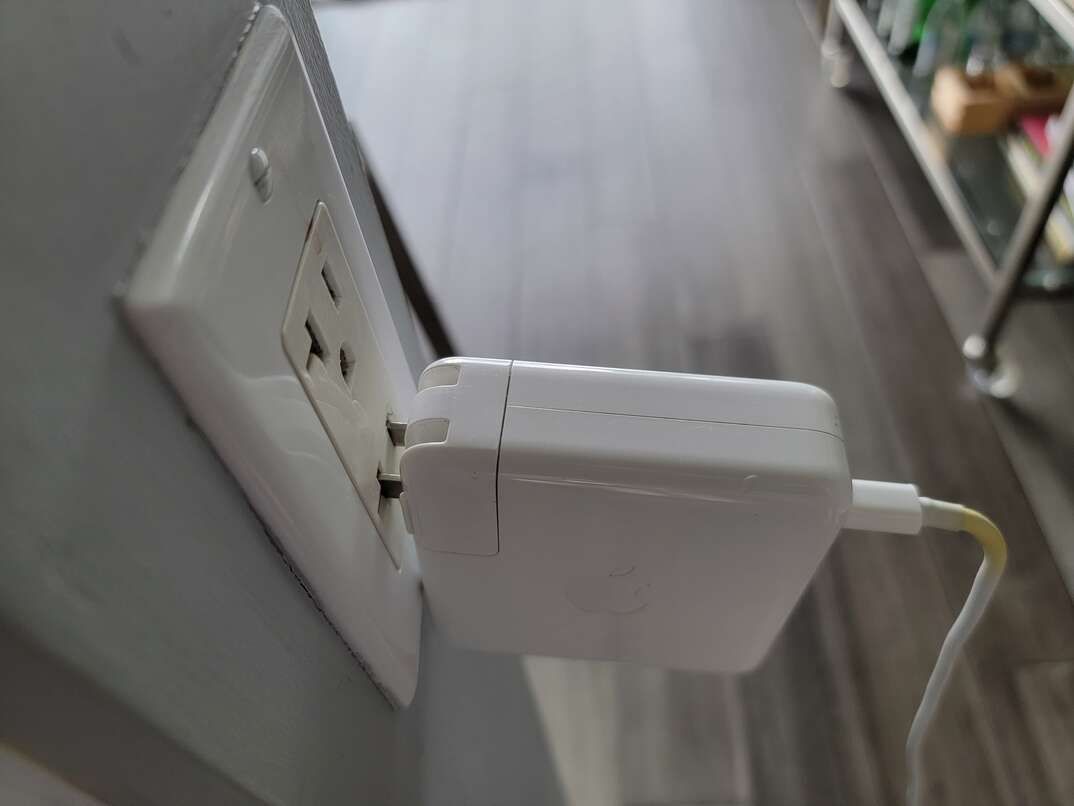
Loose outlets might seem harmless, but they can lead to heat, arcing, and electrical hazards. Learn when it’s time to replace them.
By 7093018427 May 12, 2026
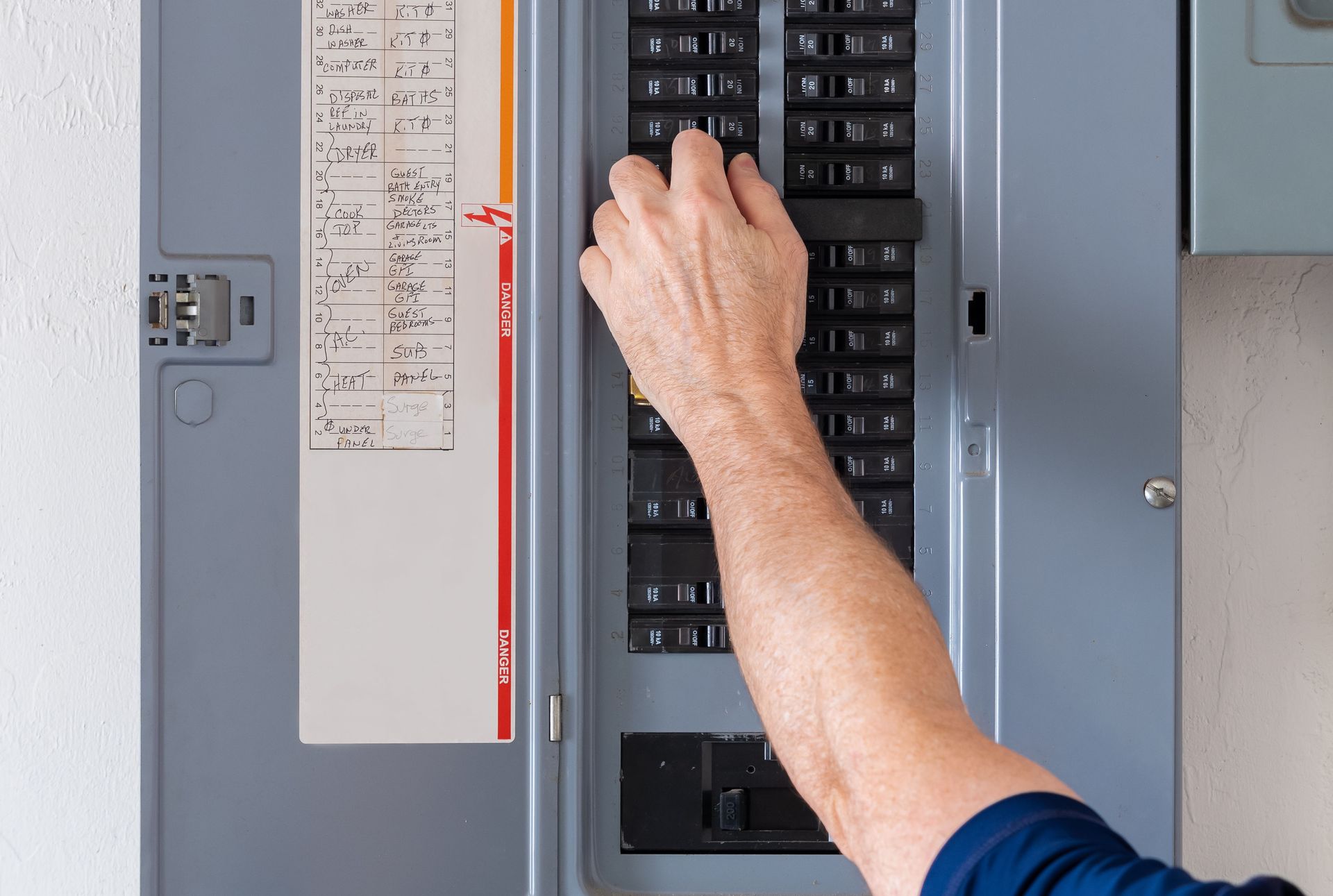
Most homeowners assume breakers catch every electrical issue—but that’s not always true. Learn the hidden risks your system might not be protecting you from.

By 7093018427 May 12, 2026
Don't let hidden electrical problems become your problem. Here are the red flags to watch for when buying a home — before you close.

Show More →