
How to Tell If Your Home Is Overloaded (And What to Do About It)
7093018427 • April 21, 2026

April 21, 2026

Signs Your Electrical System May Be Under Strain—and What to Do Before It Becomes a Bigger Problem

Most homeowners don’t think about their electrical system until something stops working. But as homes add more devices, appliances, and upgrades, it’s easier than ever to push your system beyond what it was designed to handle. Knowing the signs of an overloaded electrical system can help you avoid bigger problems, and keep your home safe.

What Does “Overloaded” Actually Mean?

An overloaded system simply means your electrical panel and circuits are being asked to handle more power than they’re designed for.

This often happens in older homes, or in homes that have added things like:

  • EV chargers
  • Hot tubs
  • Additional appliances
  • Shop equipment or outbuildings 

Common Signs Your Electrical System May Be Overloaded

Frequent Breaker Trips

If your breakers are tripping regularly, it’s usually not random, it’s your system protecting itself.

Dimming or Flickering Lights

Especially when large appliances turn on, this can be a sign your system is struggling to keep up.

Warm Outlets or Panels

Outlets or your electrical panel should never feel warm to the touch. This can indicate excessive load or poor connections.

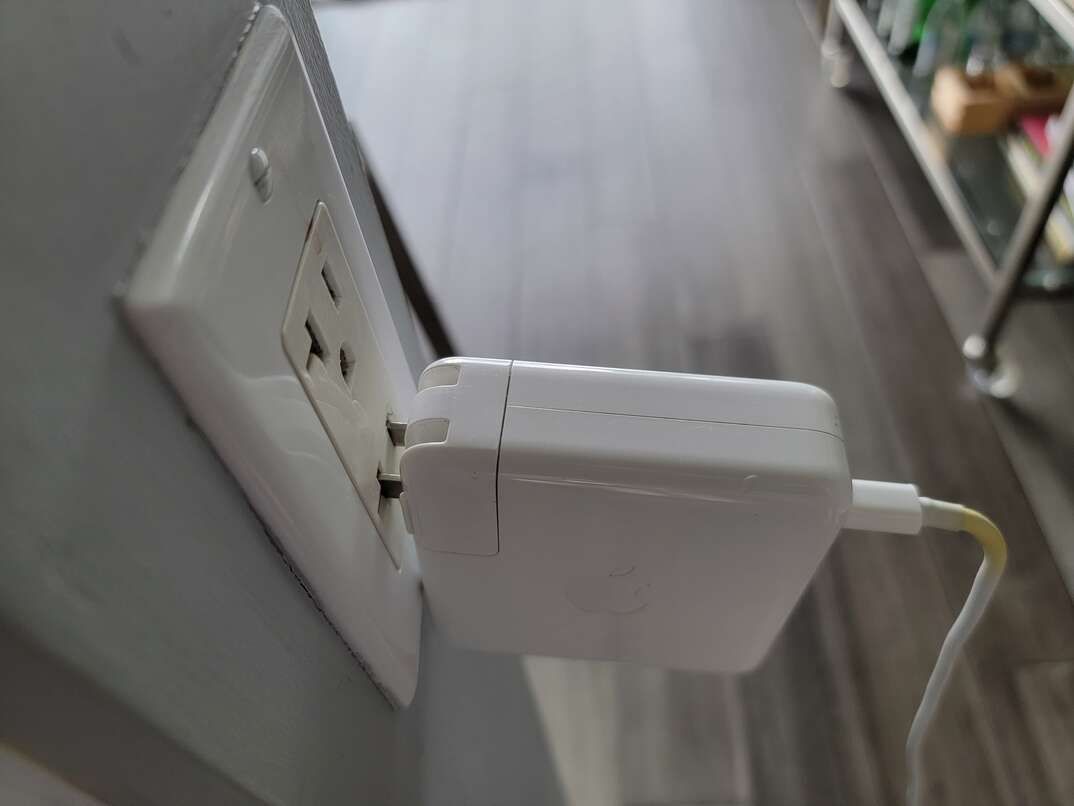
Overuse of Power Strips and Extension Cords

If you’re constantly adding more plugs because you don’t have enough outlets, your circuits may already be maxed out.

You’ve Added Major Electrical Loads

Upgrades like EV chargers, HVAC systems, or shop equipment can quickly push a system past its limits if capacity hasn’t been evaluated.

Why This Matters

An overloaded electrical system isn’t just inconvenient, it can lead to:

  • Damaged appliances
  • Increased wear on your electrical components
  • Fire risk in more serious cases


Your breakers are designed to trip for a reason, but they’re not meant to be your long-term solution.

What Can Be Done?

The right solution depends on your home and how you use electricity, but common options include:

  • Adding dedicated circuits
  • Installing a subpanel
  • Upgrading your main electrical panel
  • Evaluating overall electrical capacity


A proper evaluation can help identify what’s neede without overdoing it.

Final Thoughts

If your home is showing signs of electrical strain, it’s worth taking a closer look, especially before adding new appliances or upgrades.


Addressing these issues early can prevent bigger problems down the road and help your system run more reliably.

Need Help?

If something doesn’t seem right or you’re planning an upgrade, Cove Electric is always happy to take a look and help you understand your options.

By 7093018427 March 23, 2026
Learn what GFCI outlets are, where they’re required, and how to test them to keep your home safe from electrical shock.
By 7093018427 March 16, 2026
Learn what an electrical subpanel is, how it works, and when your home may need one. A simple guide from the licensed electricians at Cove Electric.
By 7093018427 March 2, 2026
How much electrical capacity does your home need? Learn the difference between 100-amp and 200-amp service and when an upgrade makes sense.
Show More →