March 16, 2026
What Is a Subpanel and When Does Your Home Need One?

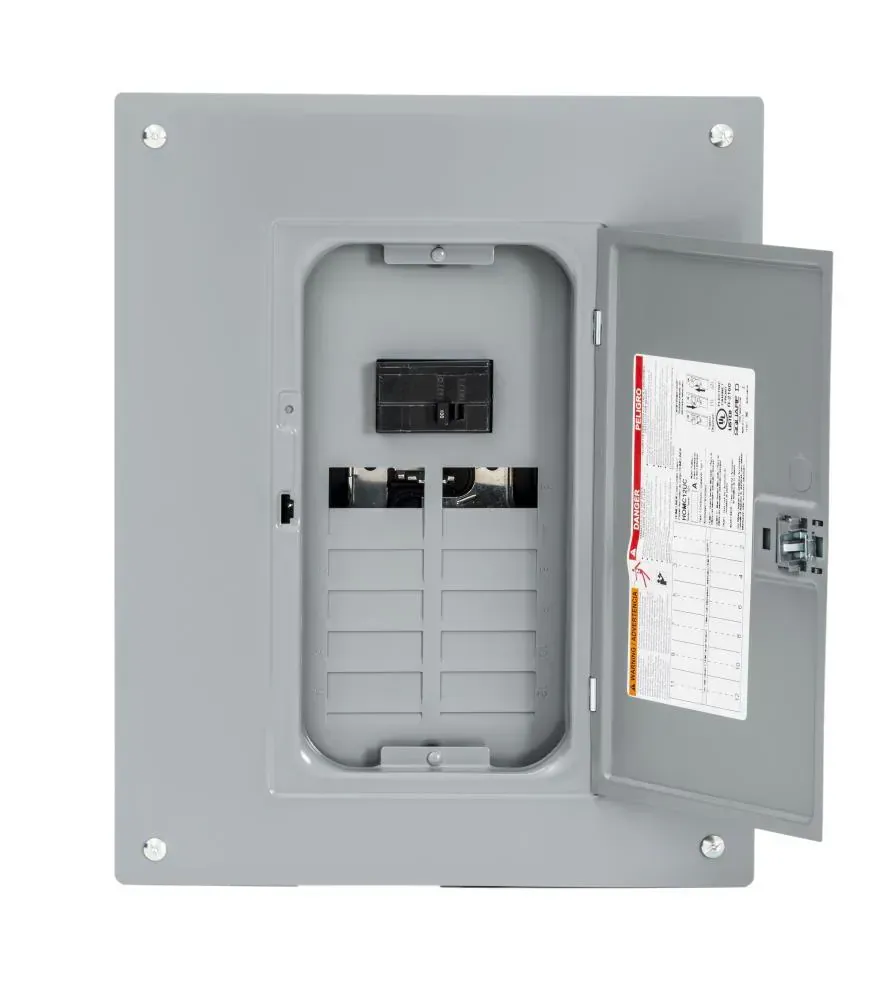
If you’ve ever looked at your home’s electrical panel, you probably noticed a big metal box full of breakers. That’s the main electrical panel, which distributes power throughout your home. But sometimes homes or buildings need additional electrical capacity in specific areas, and that’s where a subpanel comes in.
What Is a Subpanel?
A subpanel is a smaller electrical panel that receives power from the main electrical panel and distributes it to a specific area of a home or building. Think of it as a satellite panel that helps organize and manage electrical circuits in another part of the property.
Subpanels are connected to the main panel through a feeder wire and contain their own circuit breakers, which control the circuits connected to them.
Why Would a Home Need a Subpanel?
Subpanels are often installed to make electrical systems more efficient, organized, and capable of handling additional power demands. Common reasons homeowners add a subpanel include:
1. Home additions or remodels
If you add a new room, basement, or workshop, your existing panel may not have enough space for additional circuits.
2. Detached structures
Garages, shops, barns, or ADUs often have their own subpanel so power can be managed directly in that building.
3. High electrical demand areas
Areas with multiple appliances or equipment, like kitchens, garages, or home workshops, may benefit from a dedicated subpanel.
4. Convenience and organization
Instead of running every circuit back to the main panel, a subpanel allows circuits in one area to be controlled locally.
How Is a Subpanel Different from the Main Panel?
| Main Panel | Subpanel |
|---|---|
| Receives power from the utility company | Receives power from the main panel |
| Contains the main service disconnect | Does not have the main service disconnect |
| Powers the entire home | Powers a specific area or structure |
| Ground and neutral are bonded | Ground and neutral are kept separate |
Benefits of Installing a Subpanel
Installing a subpanel can provide several advantages:
- More circuit space if your main panel is full
- Improved electrical organization
- Shorter wire runs for certain areas
- Better power distribution for equipment or appliances
It’s often a practical solution when upgrading a home’s electrical capacity without replacing the entire main panel.
Professional Installation Matters
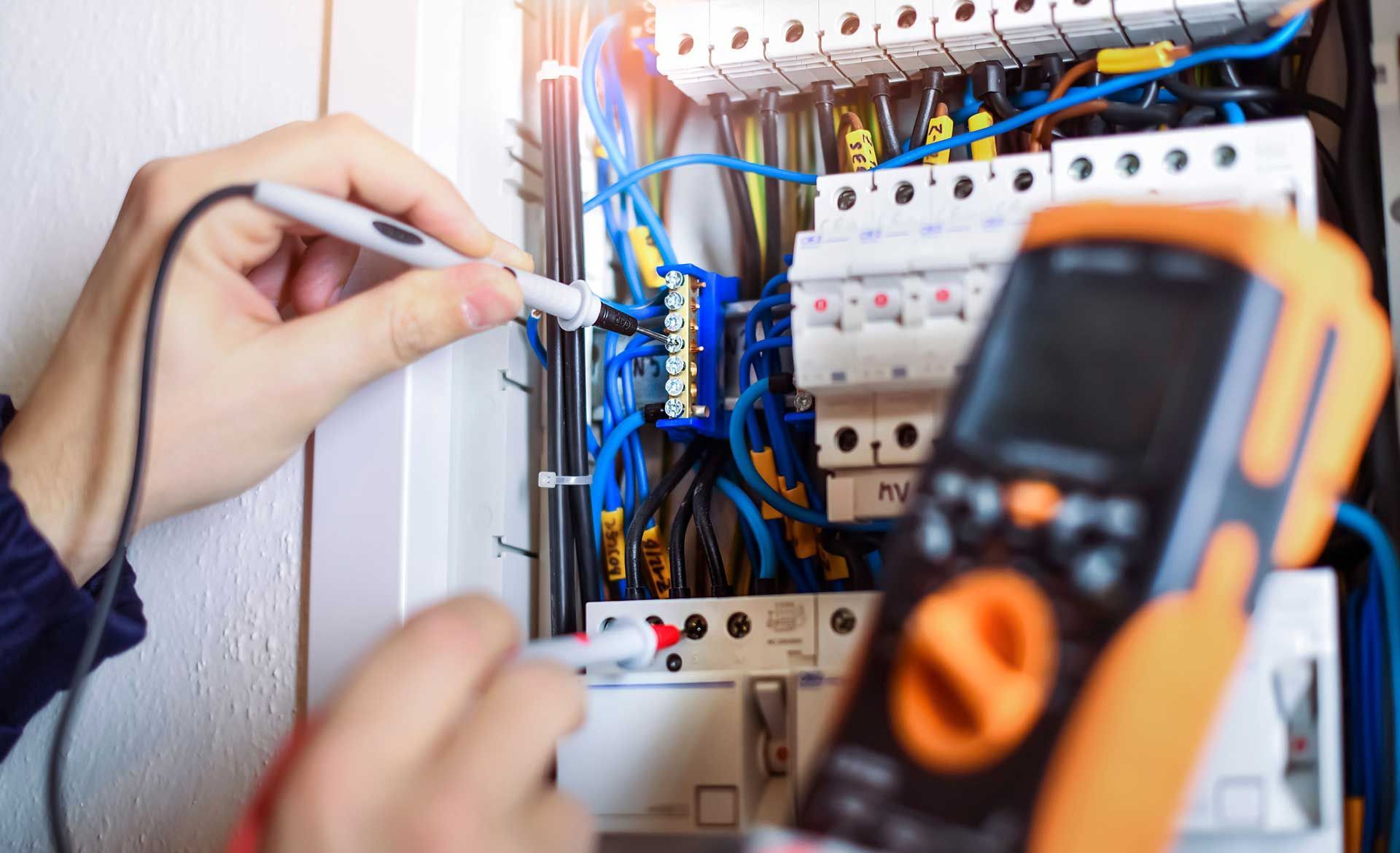
Electrical work should always be handled by a qualified electrician. Proper installation ensures the subpanel is safely connected, correctly grounded, and compliant with electrical codes.
If you’re planning a remodel, adding a shop, or simply running out of breaker space, a licensed electrician can evaluate whether a subpanel is the right solution for your home.
Need Help With an Electrical Upgrade?
At Cove Electric, we help homeowners safely expand their electrical systems with panel upgrades, subpanel installations, and custom solutions for new additions or outbuildings.
If you’re considering a subpanel or have questions about your electrical system, contact our team today to schedule an inspection or consultation.