February 26, 2026
The Small Safety Feature That Makes a Big Difference in Your Home

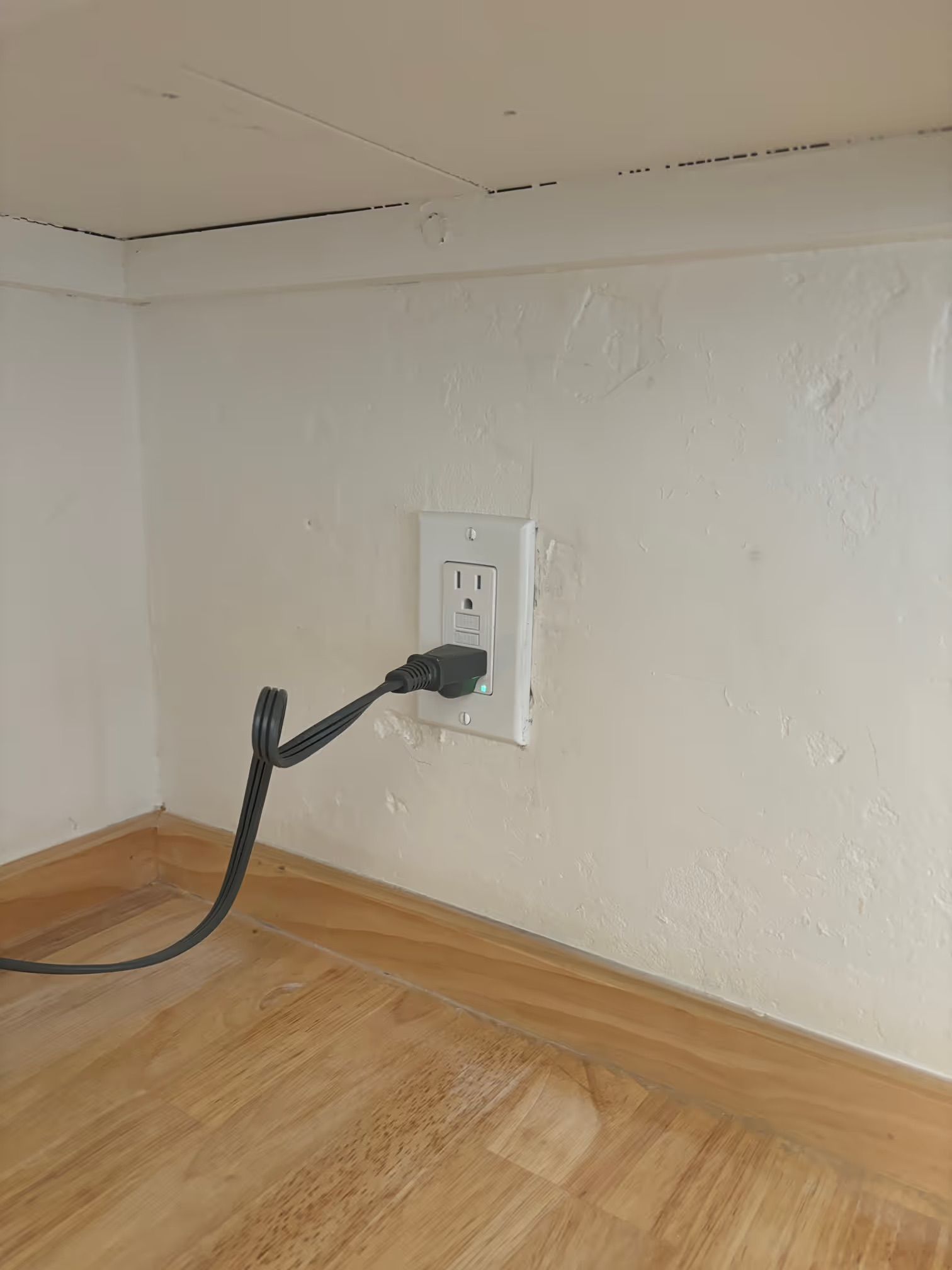
GFCI stands for Ground Fault Circuit Interrupter. It monitors the flow of electricity and instantly shuts off power if it detects an imbalance, like electricity flowing where it shouldn’t (for example, through water… or a person). The shutoff happens in a fraction of a second, which can prevent serious shock or electrocution.
Where Should You Have GFCI Protection?
Building codes require GFCI protection anywhere electricity and moisture could meet.
That typically includes:
- Bathrooms
- Kitchens (especially near sinks)
- Garages
- Outdoor outlets
- Laundry rooms
- Basements
- Near hot tubs or pools
If your home is older, you may not have protection in all required areas.
How Do You Know If Yours Are Working?
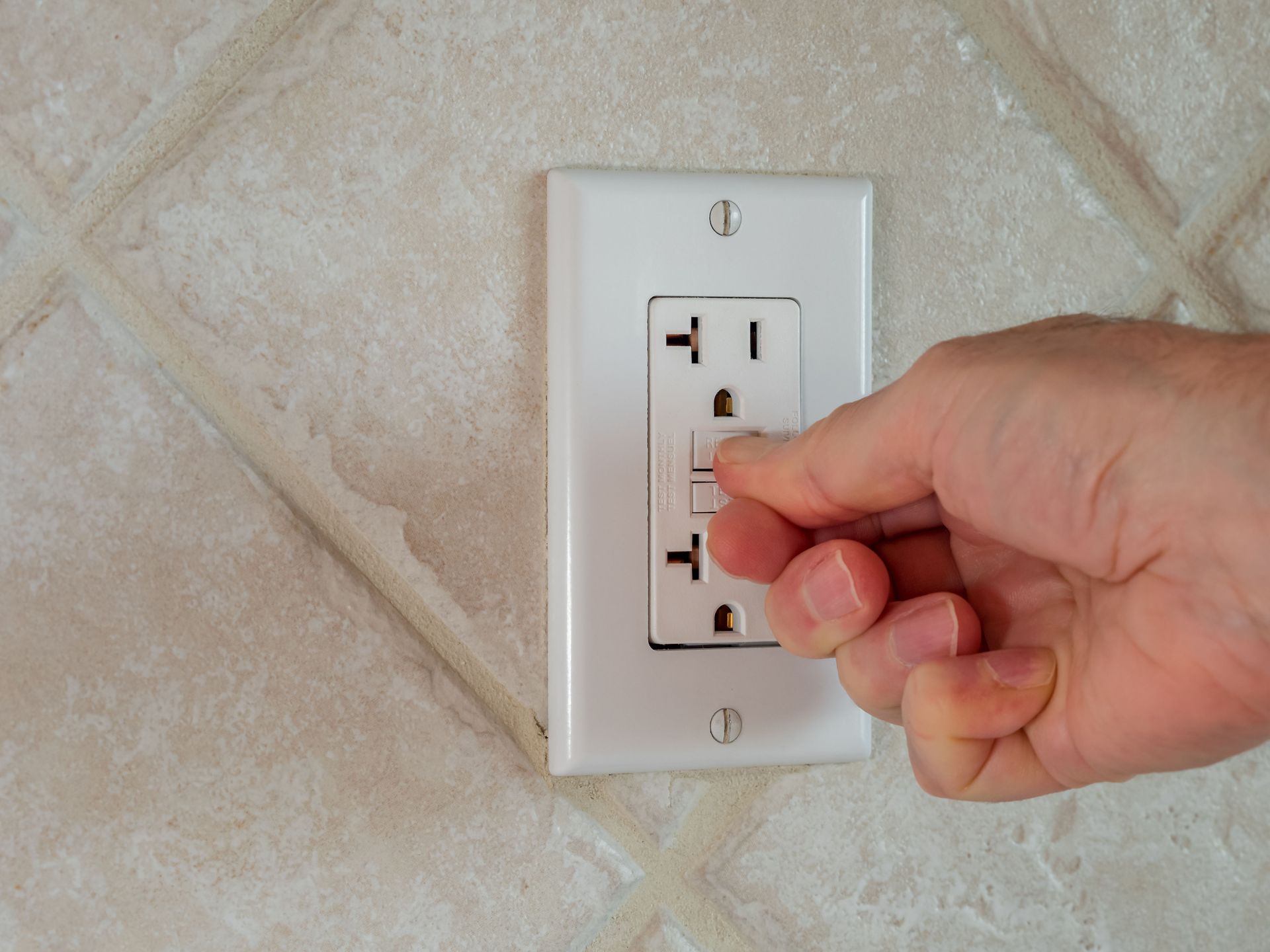
GFCI outlets should be tested monthly.
Here’s how:
- Press the “Test” button
- The outlet should shut off
- Press “Reset” to restore power
If it doesn’t trip, or won’t reset, it may need replacement.
Signs Your GFCI Needs Attention
- It trips repeatedly
- It won’t reset
- It feels loose in the wall
- It’s over 10 years old
GFCIs wear out over time. They’re not “install it and forget it” devices.
Why This Matters for Homeowners
Electrical code requirements have changed over the years. What was acceptable 20 years ago may not meet today’s safety standards.
Upgrading to proper GFCI protection:
- Reduces shock risk
- Improves home safety
- Helps during inspections
- Brings your home up to modern code
It’s a small upgrade that makes a big difference.
When to Call a Professional
If you're unsure whether your home has proper GFCI protection, or you're experiencing nuisance tripping, it’s worth having a licensed electrician evaluate it.
At Cove Electric, we help homeowners make simple safety upgrades that prevent bigger issues down the road. Because electrical safety isn't something you want to guess on.