December 3, 2025
Understanding How Smoke And Carbon Monoxide Detectors Save Lives
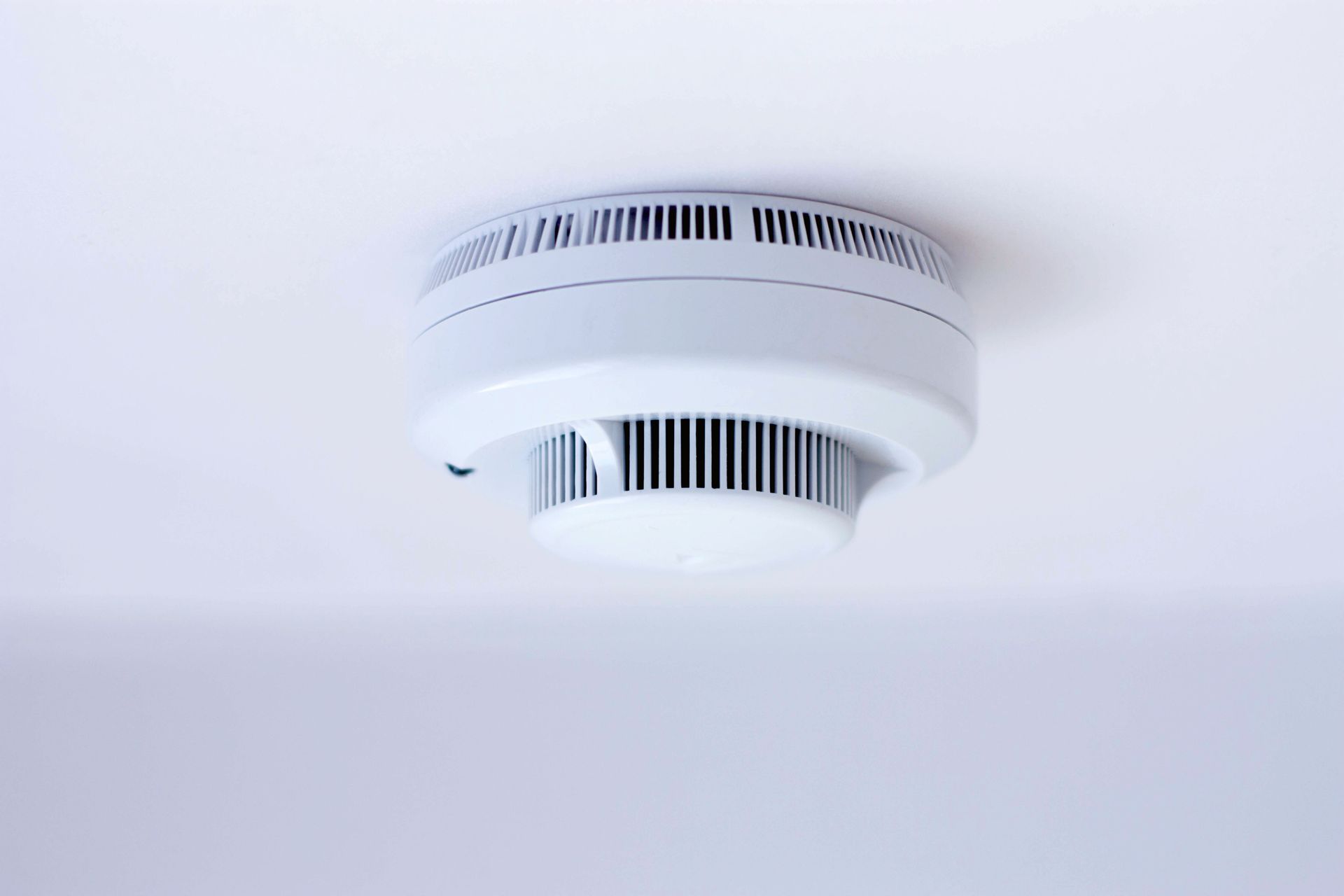
Smoke and carbon monoxide detectors are essential safety devices that protect your home and family from two of the most dangerous and potentially deadly household threats: fire and carbon monoxide poisoning. While these detectors are standard in most homes, many homeowners do not realize that the age, type, and condition of their detectors significantly affect how well they perform.
Understanding the difference between old and new detector technology, as well as the various types available, can help ensure your home remains protected year-round.
Why Smoke Detectors Matter
A working smoke detector cuts the risk of dying in a house fire by more than half. Fires can spread rapidly, and smoke is often the first indicator of danger. Reliable detectors provide early warning, allowing precious time to escape and respond.
Over time, however, smoke detectors become less effective. Dust, environmental contaminants, and aging internal components can cause slower response times or complete failure. Most manufacturers recommend replacing smoke detectors every 10 years to maintain optimal protection.
Types of Smoke Detectors
Ionization Smoke Detectors
Designed to detect fast-burning, flaming fires. They respond quickly to fire particles but may be slower to detect smoldering smoke.
Photoelectric Smoke Detectors
Best for smoldering fires, which produce more smoke before flames appear. These are often recommended for bedrooms and living spaces.
Dual-Sensor Detectors
Combine both ionization and photoelectric technologies for the most comprehensive coverage. Many experts consider these the safest option.
Why Carbon Monoxide Detectors Are Essential
Carbon monoxide is known as the silent killer because it is colorless, odorless, and cannot be detected without proper equipment. CO is produced by fuel-burning appliances such as furnaces, water heaters, fireplaces, and stoves. Without a functioning detector, CO exposure can lead to serious health complications or death.
CO detectors should be installed outside bedrooms, on every level of the home, and near any fuel-burning appliances. Like smoke detectors, carbon monoxide detectors do not last forever. Most units need replacement every 7 to 10 years, depending on the manufacturer.
Types of Carbon Monoxide Detectors
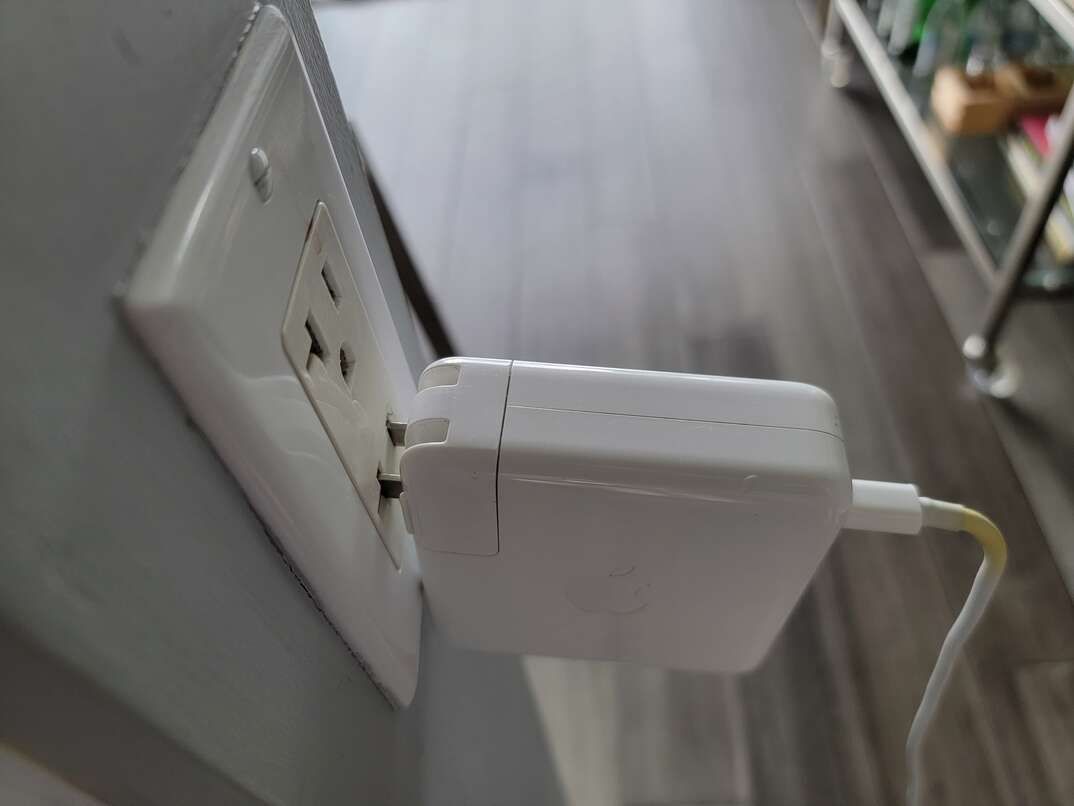
Plug-In CO Detectors
Easy to install and relocate. These often include battery backup to remain functional during a power outage.
Battery-Powered CO Detectors
Useful in areas without available outlets. Require regular battery checks.
Hardwired CO Detectors
Connected directly into the electrical system and typically equipped with battery backup. These offer consistent protection and can be interconnected with other alarms.
New Detectors vs. Old Detectors
Modern detectors offer significant improvements compared to older units.
Improved Sensors
Newer detectors are more accurate and respond faster to both smoke and CO. Aging sensors can drift out of calibration, reducing reliability.
Long-Life Batteries
Many new models feature sealed 10-year lithium batteries, eliminating the need for frequent battery changes and reducing the risk of alarms being disabled.
Interconnectivity
Current smoke and CO detectors can be interconnected, meaning if one alarm activates, all alarms in the home will sound. This provides earlier warning throughout the house.
Combination Units
Newer models combine smoke and carbon monoxide detection into one device, reducing clutter and improving overall safety coverage.
Smart Features
Some detectors now integrate with home automation systems, offering alerts to your phone and advanced self-testing options.
When Should You Replace Your Detectors?
- Replace smoke detectors every 10 years
- Replace carbon monoxide detectors every 7 to 10 years
- Replace any detector that is yellowed, damaged, chirping despite fresh batteries, or frequently false-alarming
- Replace immediately if the manufacturer’s expiration date has passed
Regular testing, cleaning, and timely replacement are key to keeping your home protected.
Conclusion
Smoke and carbon monoxide detectors are critical to home safety, but they only work properly when they are modern, well-maintained, and installed correctly. Upgrading outdated detectors ensures faster response times, better accuracy, and more reliable warning systems. If your home’s detectors are outdated or you are unsure whether they are functioning properly, Cove Electric can help inspect, replace, or install new smoke and CO detectors to ensure your home meets current safety standards.