Wired Right: Generator Installation Pricing — Portable vs. Standby vs. Whole-Home
Understanding the True Cost of Portable, Standby, and Whole-Home Generator Systems
When the power goes out, most homeowners suddenly realize they do not just want a generator. They want the right generator.
And the question we get at Cove Electric more than anything is simple:
“How much does a generator actually cost?”
The honest answer is that the price changes depending on the type of generator, the size of your home, and how automatic you want the system to be. Here is the wired-right, transparent breakdown.
Portable Generators
The budget-friendly, plug-and-play backup option.
Typical Cost
Unit:
$500 to $2,500
Transfer switch and installation: $600 to $1,500
Total installed price: $1,100 to $4,000
What You Are Paying For
• A standalone generator you store until you need it
• A manual transfer switch installed by an electrician
• A safe way to backfeed your panel without extension-cord chaos
• Enough power for essentials such as the fridge, freezer, basic lights, or a small AC
Pros
• Lowest upfront cost
• Easy to move or replace
• Good for short outages
Cons
• Manual setup during an outage
• Requires fuel storage
• Limited capacity and cannot run the whole home
Best For
Homeowners who want affordable peace of mind without a permanent system.
Standby Generators (Automatic)
The “my power went out and I did not even notice” option.
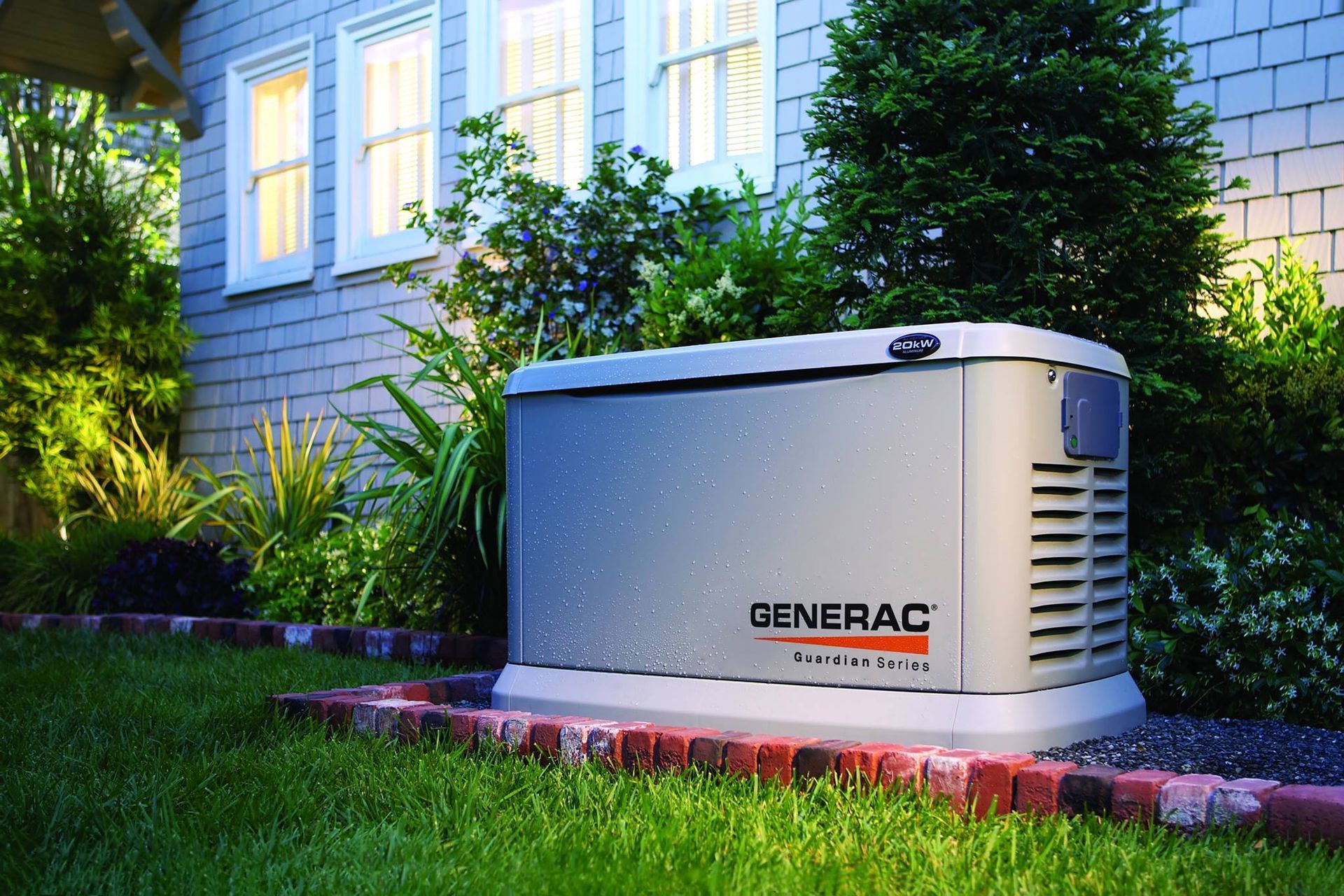
These are permanently installed, hardwired generators that turn on automatically during an outage and run on natural gas or propane.
Typical Cost
Unit (10 to 24 kW):
$3,500 to $8,500
Installation: $4,000 to $10,000
Total installed price: $7,500 to $18,000
What Drives the Price
- Generator size in kilowatts
- Concrete pad or composite base
- Gas line installation or extension
- Automatic transfer switch type
- Distance to the electrical panel
- Local permit requirements
- Required panel or code upgrades
Pros
- Fully automatic
- No refueling
- Powers most or all of the home
- Ideal for medical equipment or home offices
Cons
- Higher upfront cost
- Requires ongoing maintenance
- Needs natural gas or a sufficiently sized propane tank
Best For
Anyone who wants a reliable, hands-off backup system that can handle major appliances and HVAC.
Whole Home Backup Systems
Full-home protection with seamless load management.
This is the premium option for homeowners who want everything to stay on, including HVAC, hot water systems, kitchen appliances, well pumps, and even EV chargers.
This category includes large standby generators from 24 to 48 kW or hybrid systems with smart load management.
Typical Cost
Unit: $8,000 to $20,000
Installation: $10,000 to $20,000 or more
Total installed price: $18,000 to $40,000 or more
What You Are Paying For
- A larger generator capable of true whole-home output
- A whole-home transfer switch
- Load-shedding or load-management modules
- Upgraded gas line capacity
- Possible electrical panel upgrades
- Custom design for high-demand homes
Pros
- Full home coverage
- Automatic power management
- High long-term reliability
- Ideal for homes with high electrical loads or wells
Cons
- Largest investment
- Often requires multiple trades such as electrical, gas, and concrete
- Not needed for smaller or more efficient homes
Best For
Larger homes, rural homes with well pumps, and anyone who wants uninterrupted daily life during an outage.
So Which Generator Is Right for You
It usually comes down to three things.
Your Budget
Portable is the most affordable.
Standby offers the best balance of cost and convenience.
Whole home provides complete coverage at a premium.
What You Want to Power
Essentials only means a portable generator.
Most major appliances point toward a standby system.
Everything stays on with a whole-home setup.
How Automatic You Want Backup Power to Be
If you want zero effort when the power goes out, a standby generator is the way to go.
Why Installation Prices Vary So Much
Every home is different. Your final price depends on factors such as:
- Distance from the generator to the panel
- Gas availability
- Your home’s actual electrical load
- Permit and inspection requirements
- Existing panel condition
- Concrete pad or site preparation
- Soil and trenching needs
Two homes with the same generator can have completely different installation requirements, and that is where most price differences come from.


Share On: